
What I Look for in a Vein Treatment Brochure After Years in Practice
Posted by Gerard LansingAfter more than ten years working as a vascular specialist treating vein disease, I’ve learned that the first impression many patients get doesn’t come from a consultation—it comes from a piece of printed or digital information. Early in my practice, I reviewed a vein treatment brochure that closely reflected the conversations I was having with patients in real life. What stood out wasn’t polished language or promises, but how clearly it explained why people were feeling the symptoms they’d been brushing off for years.
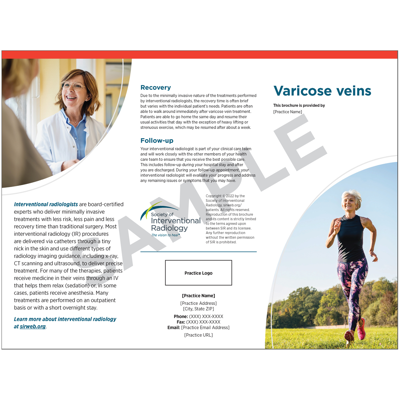
I still remember a patient I saw several winters ago who brought a folded brochure to her appointment, edges worn from being read multiple times. She told me she’d picked it up months earlier but hesitated to call because she thought her veins were “just cosmetic.” What finally convinced her to come in was a simple explanation of leg heaviness and swelling that matched her day-to-day experience exactly. That moment reinforced how powerful clear, experience-based information can be.
Why plain explanations matter more than flashy language
One mistake I see often is brochures trying too hard to impress. Long lists of technologies or overly clinical language tend to confuse people. In practice, patients want to know three things: why their legs feel the way they do, whether it’s something to worry about, and what realistically happens next.
I once treated a man last spring who had delayed care because another brochure he read made treatment sound far more invasive than it actually is today. By the time he came in, he had developed skin changes around his ankle that could have been avoided. Once we talked through what modern vein treatment actually involves—short visits, local anesthesia, and walking the same day—his biggest reaction was frustration that he hadn’t understood this sooner.
Experience teaches you what patients actually ask about
After years of consultations, I can tell you that most questions aren’t about brand names or technical specs. Patients ask how long their legs will feel sore, whether they can stand the next day, and what happens if they do nothing. A useful brochure reflects those real concerns rather than sidestepping them.
I had a patient not long ago who worked part-time and cared for her grandchildren. Her biggest worry wasn’t the procedure itself but whether she’d be able to keep up with her routine afterward. When educational materials acknowledge everyday realities like that, patients feel seen rather than sold to.
What I advise patients to read between the lines
Not every vein needs immediate treatment, and I’m cautious about materials that imply otherwise. A good brochure leaves room for evaluation and individualized decisions. Over the years, I’ve advised many patients to monitor their condition rather than rush into a procedure, especially when symptoms were mild and stable.
At the same time, I’ve seen what happens when warning signs are ignored. Persistent swelling, skin discoloration, or aching that worsens through the day are rarely harmless. When educational material explains that balance clearly, it supports better decisions instead of pushing fear or false reassurance.
Why thoughtful information supports better outcomes
The patients who do best long term are usually the ones who arrive informed but not overwhelmed. They understand that vein disease is often chronic, that treatment addresses current problems, and that lifestyle still matters afterward. A well-crafted brochure sets that tone before a single test is done.
After years of treating vein conditions and following patients over time, I’ve come to appreciate how much impact good educational material can have. When information reflects real clinical experience and everyday patient concerns, it becomes part of the care itself—not just something handed out at the front desk.